About Me
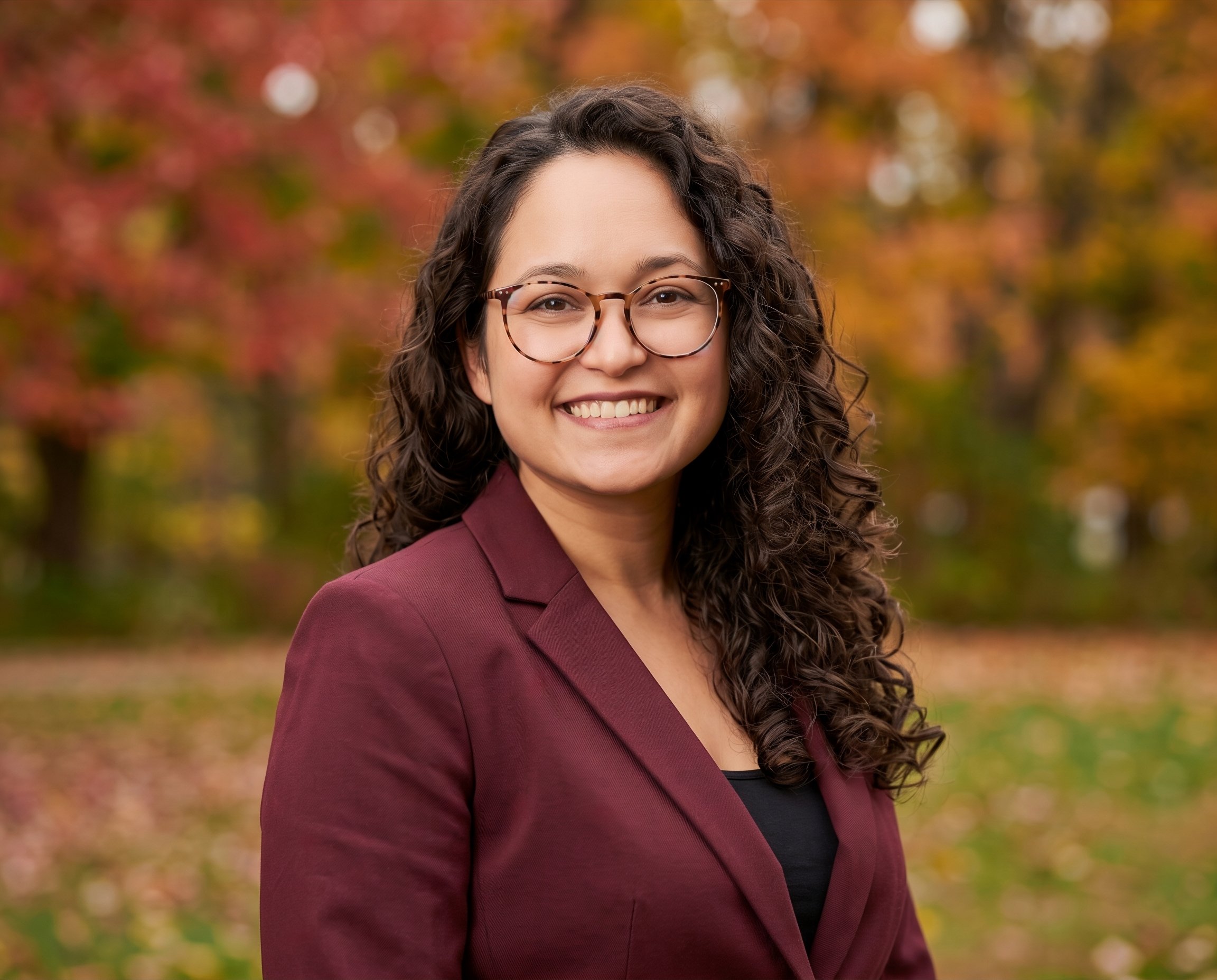
I am a bilingual and bicultural licensed clinical psychologist, implementation scientist, and Assistant Professor in the Department of Psychological and Brain Sciences at the University of Wisconsin-Milwaukee. My work brings together many of the things that have interested me throughout my life: psychology and public health, understanding how our environments shape us, working alongside communities, and figuring out how research can be used to improve people's lives.
How I Became a Psychologist
Long before I became a psychologist, I knew that I wanted to work in health care. For many years, I thought that meant going to medical school. In high school, I volunteered at my local hospital in Greeley, Colorado, became a Certified Nursing Assistant, and entered college at the University of Colorado Boulder planning to complete the pre-med curriculum.
I had been given the advice to major in something I genuinely enjoyed rather than simply choosing biology, so, fascinated by how people and the mind work, I chose psychology. The more I learned, the more I loved it. I became involved in research at CU and interned at Children's Hospital Colorado, while also developing a strong interest in public and global health through experiences in the United States and abroad.
When it came time to decide what to do after college, I found myself choosing between pursuing an MPH and a PhD in Clinical Psychology. I knew that I wanted to be trained to provide clinical services while continuing to pursue research, so psychology won. A few months after graduating, I drove across the country to Wisconsin to begin my PhD at the University of Wisconsin-Milwaukee.
People sometimes ask why I became a psychologist expecting there to be a single defining experience behind the decision. The truth is, there really wasn't one. My passion for psychology grew gradually. The more I learned through coursework, research, clinical experiences, and my own reading, the more I wanted to keep learning. I was fortunate to find something I loved relatively early, and one experience kept leading to the next.
Why I Do the Research I Do
The path to my research is much more personal.
I was the first person in my family born in the United States. My parents came from Venezuela to study at the University of Kansas in the 1980s, and I was born while they were graduate students there. A few years later, we moved back to Venezuela to be closer to our extended family.
As political and economic conditions in Venezuela became increasingly difficult during the 1990s, my parents eventually made the difficult decision to return to the United States so that my younger sister and I could have opportunities they worried would no longer be available to us there. Returning was not simple. My parents initially found work in completely different parts of the country, my mother in Illinois and my father in Georgia, which meant that our family had to live apart for a period of time in order to make the move possible.
We eventually reunited, but that began a string of moves that took us through Maryland, Pennsylvania, New York, Texas, and Wyoming before finally settling in Colorado. Some of my most vivid memories from childhood involve packing our things and starting again somewhere new.
Everywhere we went, we also met other immigrant families navigating their own versions of these experiences. I grew up understanding that migration could bring tremendous opportunity while also carrying stress, uncertainty, family separation, and loss. Years later, when I encountered the concept of acculturative stress as a researcher, I recognized something that had been familiar to me for much of my life.
Those experiences also shaped how I came to think about health. I learned early that our ability to live healthy lives is influenced by much more than the choices we make as individuals. Where someone lives, the language they speak, their financial resources, experiences of discrimination, and ability to access and navigate health care can fundamentally shape their opportunities to be healthy.
At the same time, I am very conscious of how fortunate my family and I have been. Being born in the United States gave me protections and opportunities that many people with experiences similar to mine did not have. My parents ultimately built a stable life here, and I had opportunities that allowed me to pursue an education and a career doing work that I love. I do not take that for granted.
That history is a large part of why I do the research I do today. I want my work to contribute to communities like those I grew up around and to address some of the conditions that make it unnecessarily difficult for people to live healthy lives. It is also why community partnership is so important to me. My experiences may shape the questions I am drawn to, but they do not tell me what another community needs. That requires listening, building relationships, and doing the work alongside the people it is intended to serve.
Why I Do the Research I Do
There is, of course, quite a bit of my life that has nothing to do with psychology or research.
I love being outside and active, particularly biking, skiing, hiking, and gardening. I love traveling and experiencing new places and cultures, and I am happiest anywhere near mountains or water. I also enjoy cooking, reading, art, live music, Latin dancing, and finding a really good cup of coffee.
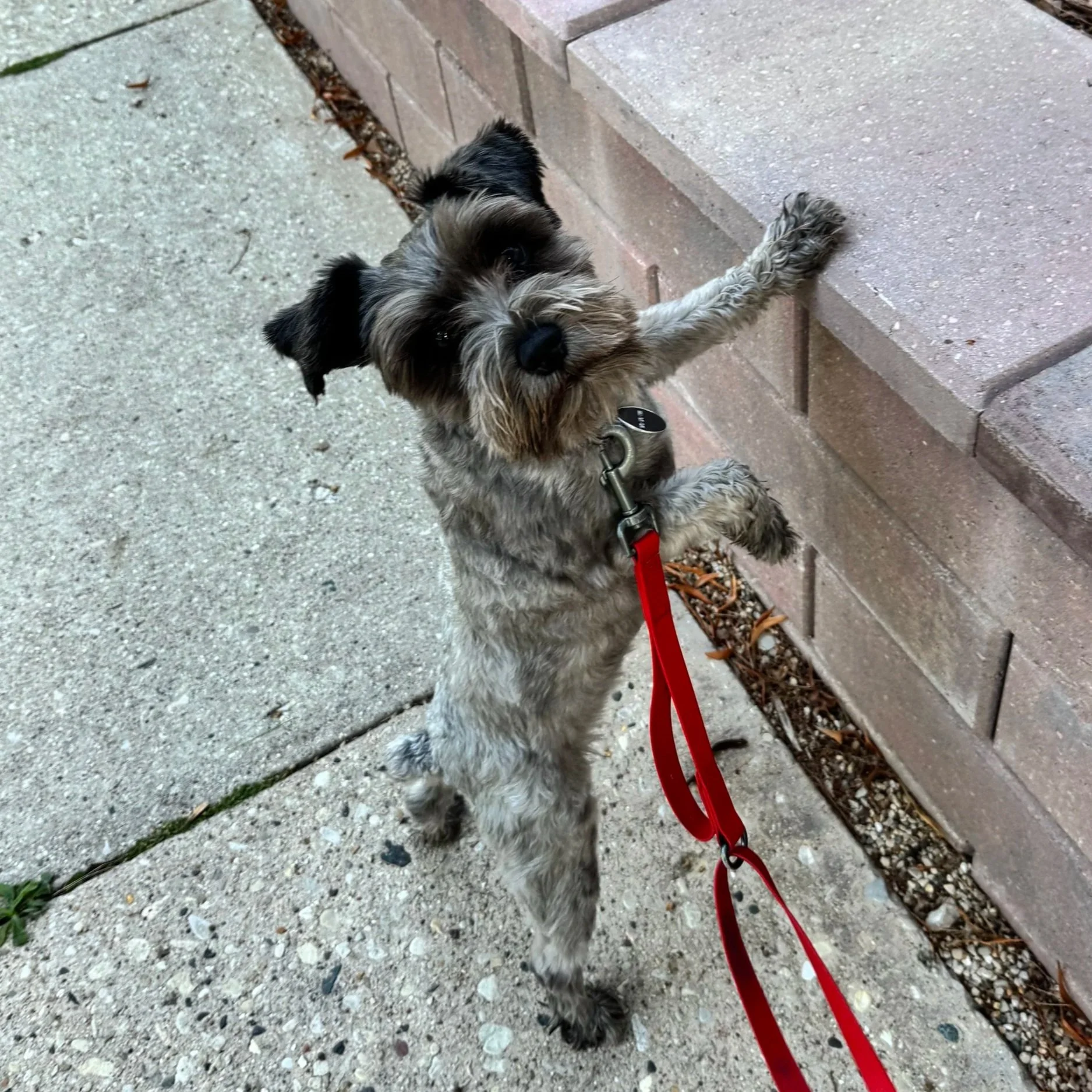
And a personal bio would be incomplete without Luna, my miniature schnauzer, who has been known to make appearances in meetings and has absolutely no appreciation for the distinction between work time and play time.